The moment I stepped out of the train station and wandered into the heart of Brighton, I felt a shift—like I’d left behind the structure and seriousness of city life and entered somewhere looser, lighter, and unapologetically expressive. The salty breeze from the sea, the echo of buskers strumming indie tunes, and the eclectic colors of shopfronts all welcomed me like an old friend. Brighton isn’t just a destination. It’s a mood, a movement, a kind of freedom that’s hard to put into words until you’re there.
First Impressions: Art Everywhere
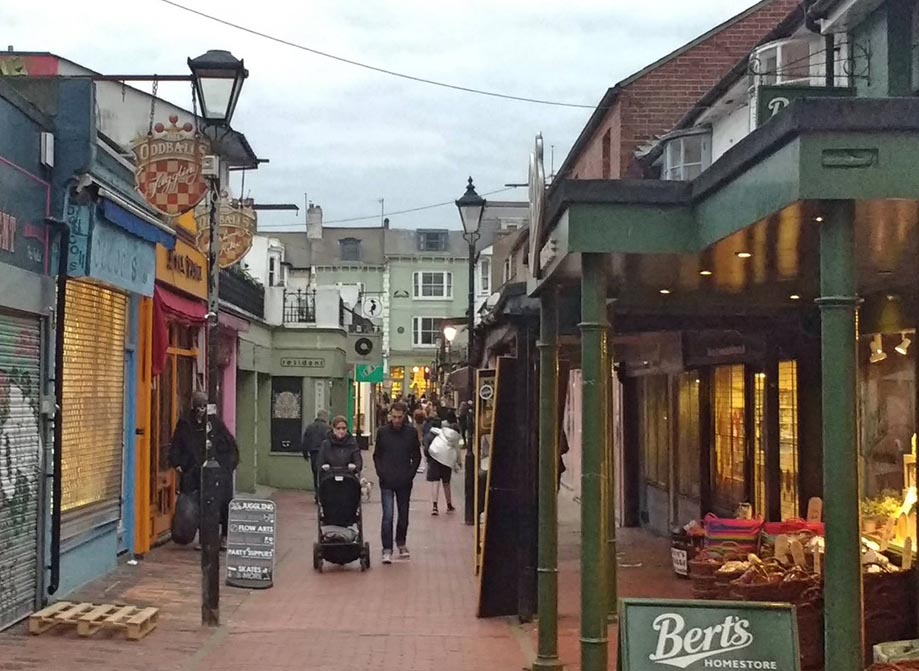
My first walk through the North Laine district was like diving into someone’s fever dream of color, creativity, and rebellion. Murals spilled across alleyways, rooftops, and even lamp posts. Tiny vintage boutiques sat next to anarchist bookstores. Cafés served oat milk flat whites under disco balls. Every storefront seemed to shout: we are different, and we love it.
I found myself smiling more than I expected. In Brighton, nothing feels out of place. A man in a full velvet suit with glitter on his cheeks passed me as if it were the most normal thing. A woman walked her dog in a tutu—her dog and herself. There’s a celebratory air here, where the weird and wonderful are the norm.
As someone who often feels like I have to “tone it down” in other places, Brighton felt like a place I could exhale and just be.
The Royal Pavilion: Surreal Elegance
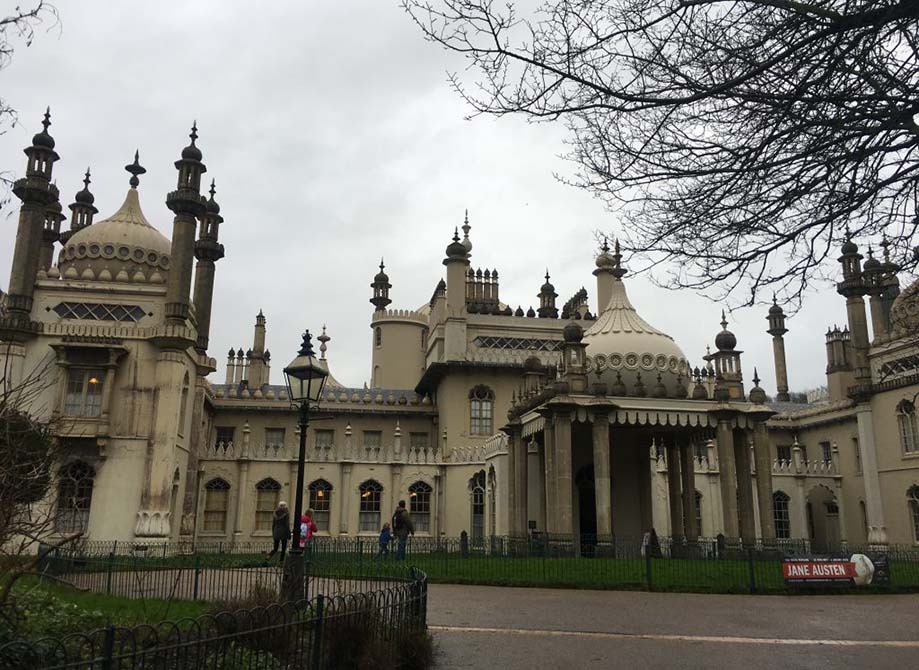
On my second morning, I visited the Royal Pavilion, an architectural marvel that sits in the center of the city like a misplaced dream. Inspired by Indian and Chinese design, its domes and spires look like something conjured from an exotic fantasy. Walking through its extravagant halls—each room more ornate than the last—I couldn’t help but marvel at the eccentric tastes of King George IV, who built it as his seaside retreat.
What I loved most about the Pavilion wasn’t just the gilded chandeliers or dragon-themed banquet rooms. It was the way this building perfectly mirrored the spirit of Brighton itself: bold, extravagant, a little bizarre, but undeniably beautiful.
I sat on the grass in the Pavilion Gardens afterward, watching locals with takeaway coffee cups and students sketching the domes. For a moment, I felt part of this community of misfits and dreamers.
The Lure of the Lanes
You haven’t truly experienced Brighton until you’ve gotten lost in The Lanes. A maze of narrow alleyways, this area is a treasure trove of antique shops, handmade jewelry stores, and independent art galleries. One moment you’re admiring vintage rings in a velvet-lined case, the next you’re sipping Earl Grey in a tearoom straight out of a Dickens novel.
I wandered into a record shop that smelled like old paper and vinyl, with walls covered in posters from 70s punk bands. The owner—an older man with silver dreadlocks—chatted with me about Bowie for twenty minutes. That’s the thing about Brighton: conversations bloom everywhere. People talk to strangers. Not out of politeness, but genuine interest.
I left The Lanes with a secondhand poetry book, a hand-painted postcard, and a deep craving for something sweet.
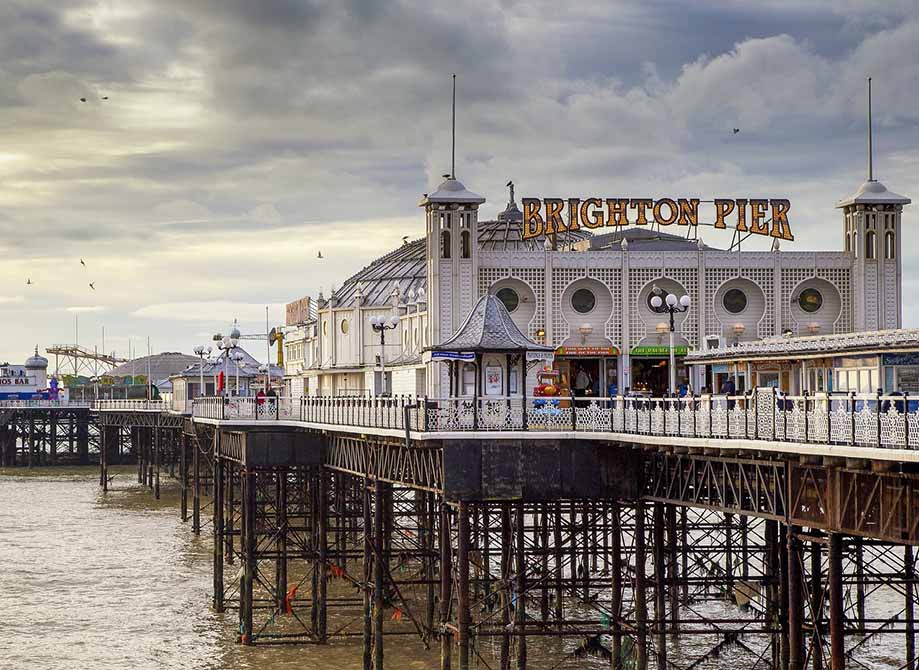
No trip to Brighton is complete without visiting the iconic Brighton Palace Pier. A playground of retro amusement rides, arcade games, and sugary treats, it stretches proudly into the sea like a giant exclamation mark.
I strolled along the wooden boards, listening to the crashing waves below and the screeching of gulls overhead. Families laughed over cotton candy, teenagers screamed on rollercoasters, and couples took selfies with the sun glittering behind them. The pier is pure nostalgia—tacky in the best way, cheerful without shame.
I tried my luck at a claw machine (didn’t win), indulged in some piping-hot fish and chips, and sat at the end of the pier to watch the horizon blur into mist. There’s something grounding about being on the edge of land, where everything stops and the sea begins.
Brighton’s Food Scene: Eclectic and Ethical
Brighton is a food lover’s heaven, especially if you’re into plant-based, sustainable, or global cuisine. I had some of the best falafel of my life in a tiny Lebanese café tucked behind a tattoo parlor. The hummus was silky, the pita fresh, and the staff greeted me like a long-lost friend.
Another night, I dined in a candlelit vegan bistro with mismatched chairs and a handwritten menu. My mushroom risotto was rich, earthy, and entirely satisfying. The wine? Locally sourced and divine.
What impressed me most about Brighton’s dining scene was the heart behind it. Menus proudly highlight local ingredients. Many eateries support community projects. There’s a shared understanding that food isn’t just fuel—it’s connection, culture, and a form of activism.
I ended most of my days in cafés, curled up with a book or just people-watching. Brighton cafés are sanctuaries: cozy, quirky, and filled with friendly chatter. You can spend hours in one without anyone rushing you.
Where I Stayed: Charm Over Luxury
I booked a small guesthouse not far from the seafront. It wasn’t luxurious, but it had character—old wooden floors, floral curtains, and a curious cat named Buttons who often wandered into the lounge.
The owner, a cheerful woman named Marie, served homemade scones every morning and gave me insider tips about places “the tourists haven’t ruined yet.” Thanks to her, I found a hidden speakeasy bar behind a bookshelf, a mural in a quiet courtyard that’s become my favorite photo from the trip, and a little secondhand shop where I bought a vintage coat that still smells faintly of lavender.
What I learned quickly is that in Brighton, staying local isn’t just charming—it’s meaningful. Small guesthouses and B&Bs give you more than a place to sleep. They give you stories.
The Beach, the Wind, and the Feeling of Escape
Brighton’s beach is pebbled, not sandy, but there’s something about sitting on those cool stones that I found therapeutic. I’d go down with a coffee in hand and just sit, watching the waves roll in and out like breath. Sometimes I’d see people swimming—yes, even in the cold—screaming joyfully as they ran back out again.
One day, I watched a street artist paint a seagull in watercolor, using sea water mixed with his paint. Another day, I found a message in a bottle—just a poem, no name. Brighton is full of these small, magical moments that feel like serendipity.
Walking along the promenade, with the wind in my hair and the smell of salt and fried dough in the air, I felt more myself than I had in months. Maybe that’s Brighton’s secret: it gives you space. Not just physically, but emotionally. Space to wander, to express, to not have everything figured out.
A City of Contrasts and Harmony
What struck me most during my stay was how Brighton balances its contradictions so gracefully. It’s historic, yet progressive. Loud, yet peaceful. Bold, yet unassuming. Artists live beside bankers. Punk bars stand next to high-end cocktail lounges. Drag queens and street preachers share the same street corner, both drawing crowds for entirely different reasons.
It’s this blend of freedom and friction that gives Brighton its soul.
I didn’t want to leave. I lingered on the last day, walking through North Laine one more time, sipping my coffee slower than usual, taking in the details I might have missed. I bought one final souvenir—a pin that simply says, “Be weird. Be free.”
I pinned it to my coat as I boarded my train back.
Brighton isn’t for everyone—and that’s exactly the point. It doesn’t mold itself to fit expectations or polish itself to please the masses. It exists in its own rhythm, messy and magnetic, a place where convention takes a back seat and individuality takes the wheel. It’s for the wanderers who crave more than tourist checklists, for the daydreamers who get lost in secondhand bookstores, for the artists who find inspiration in crumbling walls and crashing waves. It’s for the rebels who live loud, love boldly, and don’t apologize for the space they take up. And it’s for those of us who are simply looking to exhale—to step out of the noise and breathe in something real.
Brighton doesn’t try to impress you. It doesn’t offer the grandeur of London or the serenity of the countryside. Instead, it gives you contradiction—chaotic yet calming, gritty yet gentle. You’ll find yourself sipping oat milk lattes next to tattooed grandmothers, passing drag queens on bicycles, watching students play guitar under Victorian arches. It’s all welcome. It’s all Brighton.
What struck me most is how the city seems to embrace you, not in a postcard-perfect way, but in a raw, human way. There’s an unspoken invitation here: come as you are, stay if you need to, change if you want to.
And if you ever find yourself needing to escape—not just from a place, but from pressure, perfection, or the heavy weight of who you think you should be—I hope you find your way to Brighton. Let it surprise you, soothe you, and maybe even shift something inside you. Because that’s what it did for me. Brighton didn’t just give me a vacation. It gave me permission to be exactly who I am. And that’s the kind of freedom that lingers long after you’ve left.